US President Donald Trump has blocked numerous sanctions on Russia two days before they were due to take effect. The move comes as his row with Ukrainian President Volodymyr Zelensky deepens.
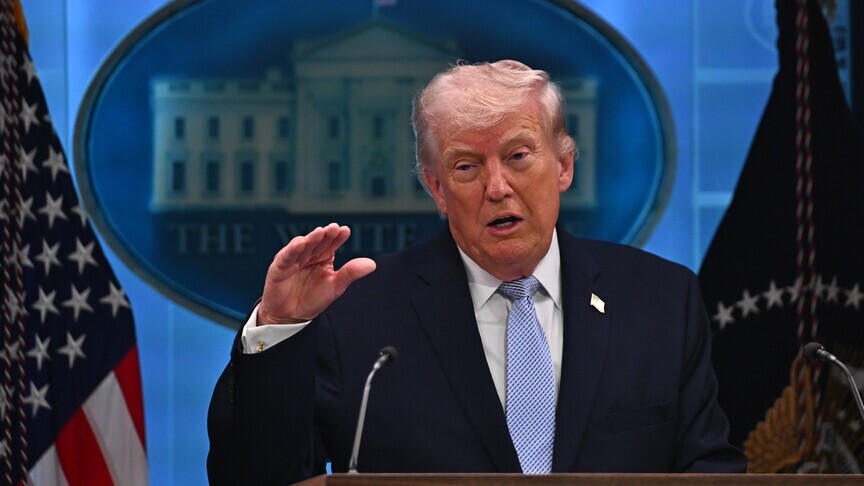
The sanctions were passed by the US Congress and signed into law by Trump in September. On Friday night, however, the president issued an executive order saying that suspending some of them was in the US “national interest.” The decision prompted a backlash from US lawmakers.
Tensions with Kyiv
Relations between Washington and Kyiv worsened last week. The US struck a controversial deal to import Russian diesel, and Ukraine accused the Trump administration of withdrawing key military support.
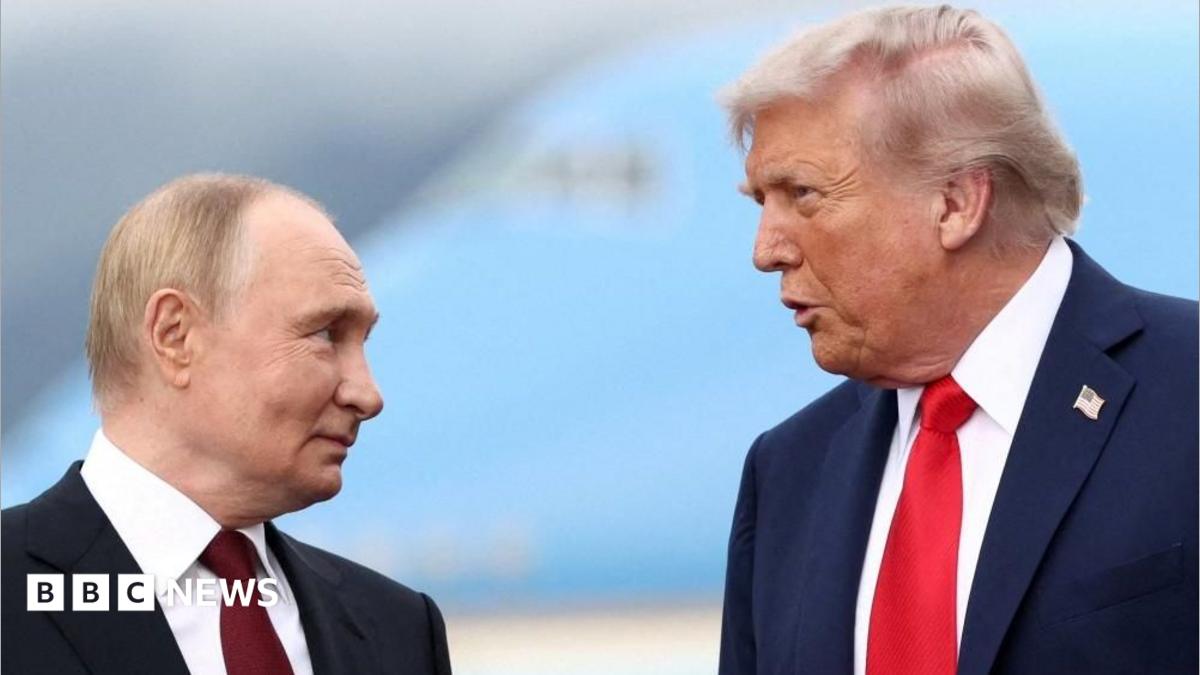
Trump and Zelensky have since exchanged sharp words. Speaking at an EU summit, Zelensky said it was nice to be among “real leaders”. This followed Trump's remark that Zelensky was “more difficult to deal with” than Russian President Vladimir Putin.
What the sanctions covered
The new US sanctions law targeted Russia's economy. It gave Trump broad powers to impose tariffs of up to 100% on imports from the top five purchasers of Russian oil and gas, most notably China and India.
The law also included sanctions against senior Russian figures, including Putin. It covered Russian financial institutions and Moscow's so-called “shadow fleet” of vessels used to get around existing embargoes. Many of these provisions have now been waived by Trump.
Reaction
Democrats, including Virginia Congressman Don Beyer, have criticised the move. They accuse Trump of capitulating to Moscow and turning his back on Kyiv and Zelensky.
“Trump's latest surrender to Putin again betrays our Ukrainian partners and defies clear congressional intent of legislation designed to punish Russia for its illegal war of aggression,” Beyer wrote on X.
The move is likely to draw further anger in Ukraine. Zelensky has long stressed the need for strict sanctions to limit the funding Russia can use for its war effort.
Energy and fuel costs
Trump was first criticised by Zelensky and Ukraine's European allies for temporarily suspending some US sanctions to allow Russian diesel imports. He said the aim was to bring down US energy prices, which have risen sharply during the Iran war. Zelensky said the deal was tantamount to the US investing in Russia's war effort.
Trump has spent months dealing with the political fallout of the Middle East conflict, which has pushed up fuel costs ahead of the US midterm elections. Rising inflation has hurt his standing with the American public.
A few days later, Trump said Russia and Ukraine had agreed to an “energy ceasefire” to facilitate the export of Russian diesel. Both countries have been intensively striking each other's energy infrastructure. Kyiv says this aims to limit revenue for Russia's war machine. Moscow says it only targets facilities used by the Ukrainian military.
Zelensky initially expressed surprise at Trump's announcement and said Kyiv would stop its strikes if Russia did the same. After three days, which saw several fresh Russian attacks, Kyiv resumed strikes on Russian oil refineries. Trump condemned the strikes as a “disgrace”. Zelensky replied that he was “only standing up for Ukraine's interests”.
Starlink disruption
Concerns that Trump is siding with Russia have grown after disruption to a US-provided satellite system used by Ukraine. Last week, Starlink suddenly and unexpectedly restricted the speed at which drones could fly while still maintaining an internet connection.
Ukraine said this disrupted some battlefield missions and hampered Kyiv's ability to defend itself against incoming Russian attacks. During the slowdown, Russia launched several deadly strikes on Ukraine. Residents and the government said these came with no prior warning.
On Friday, Zelensky said Starlink speeds had still not been fully restored. Trump has denied halting intelligence-sharing and deliberately slowing Ukraine's Starlink network.