Turkey has become one of the world's most popular destinations for studying medicine abroad. Its best medical universities combine internationally respected faculties, modern teaching hospitals, English-taught programs and tuition that costs a fraction of fees in the UK, US or EU.
The right choice depends on your budget, language and where you plan to practise. Each year, thousands of international students enrol in these universities to begin a six-year medical degree (MD).
Public or private: the first decision
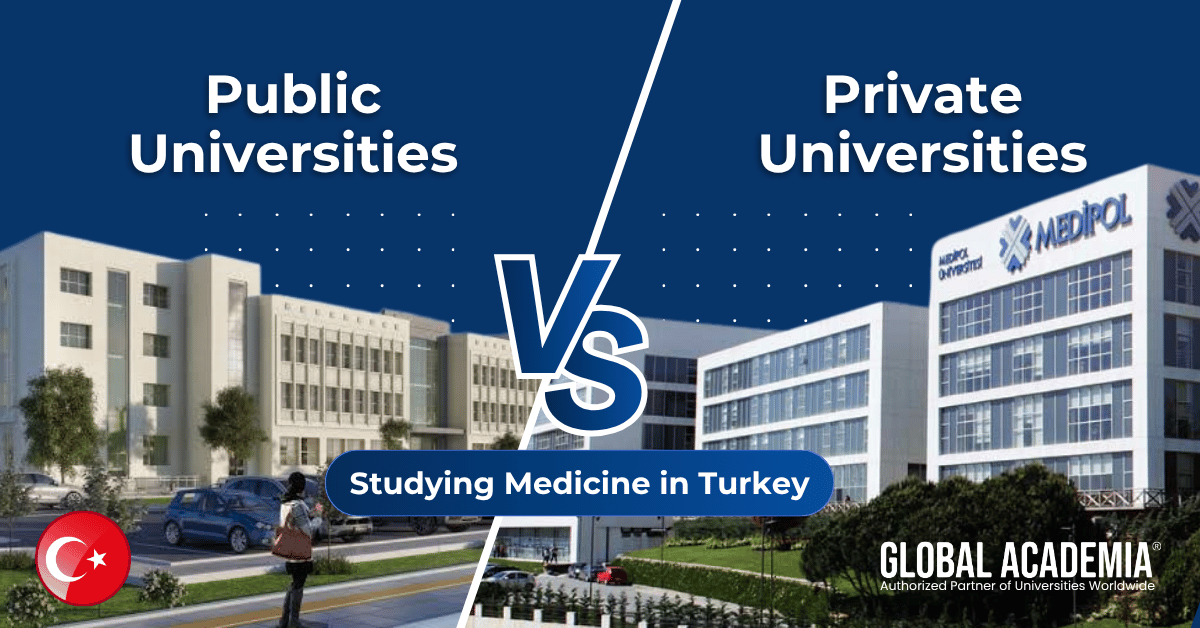
Public universities are heavily subsidised by the Turkish government, so tuition is low. They carry strong academic prestige and dominate global research rankings. However, admission is highly competitive, places for international students are limited, and many programs are taught in Turkish. Applicants must pass a proficiency exam.
Private (foundation) universities cost more. They offer full English-taught medicine, smaller class sizes, modern campuses and more accessible admission. Many also provide scholarships that can substantially reduce published fees. For this reason, most of the best medical universities for international students are private foundation institutions.
Leading universities
Hacettepe University is widely regarded as Turkey's strongest medical faculty. It is known for rigorous training, extensive research and a large university hospital that gives students deep clinical experience. It consistently leads Turkish medical schools in global subject rankings. It is best suited to high-achieving students who can meet competitive entry scores and are willing to study in Turkish.
Istanbul University-Cerrahpaşa is one of the oldest medical schools in the country. It combines a long teaching heritage with a high-volume patient base in Istanbul, so students see a wide range of clinical cases. It suits students seeking a traditional, prestige-focused medical education.
Ankara University is another long-established public institution with a respected faculty of medicine and solid research output. It is a reliable option for students who prioritise affordability and academic reputation over English-language instruction.
Acıbadem University is backed by one of Turkey's largest private hospital groups. It offers an English-taught MD with strong clinical infrastructure, and it is a frequent first choice for international students who want hands-on hospital experience.
Istanbul Medipol University has quickly become one of the most popular destinations for international medical students. Its International School of Medicine teaches mainly in English. Its university-hospital network gives students clinical practice from early in the degree.
Several other established private universities, including Koç, İstinye, Biruni and Yeditepe, also offer English-taught medicine, modern facilities and clinical partnerships. Their tuition is generally in the mid-range of private fees.
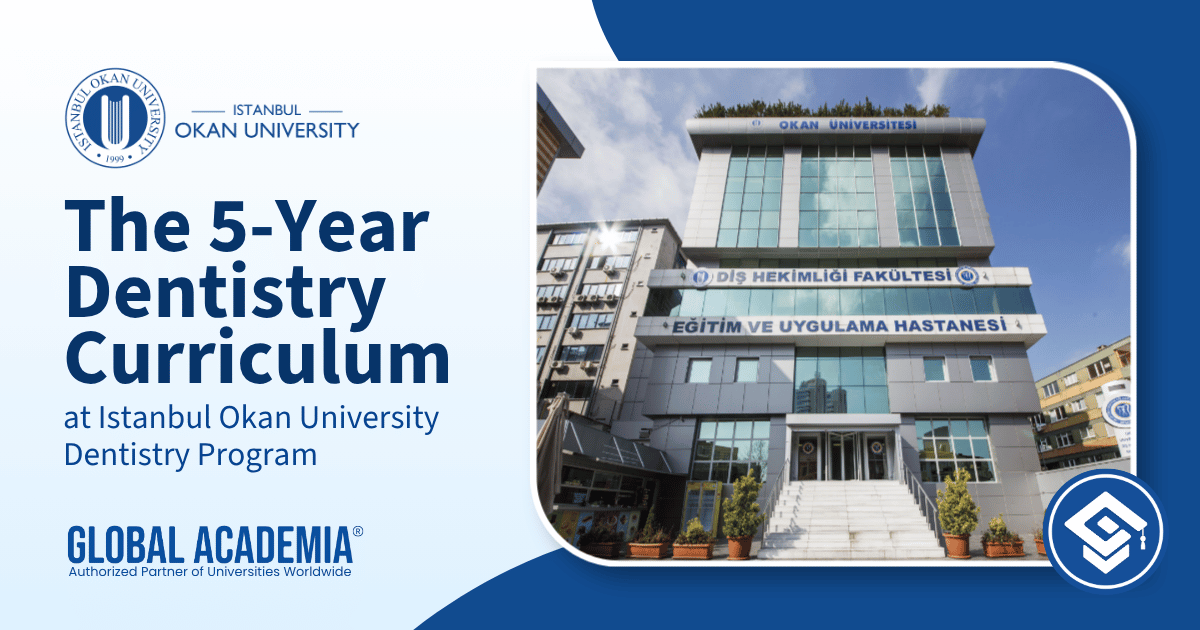
Many of these universities also run dental faculties, which may suit students considering dentistry or looking for a backup option.
Understanding the full cost
Published tuition is only part of the total. Students should budget for all six years of study as well as living costs. For 2026, English-taught medical programs at private universities typically cost between $12,500 and $44,000 per year. Living costs add roughly $400 to $800 per month. Tuition figures are approximate and change by language, scholarship and yearly update, so students should confirm the current figure before applying.
Many private universities offer partial scholarships and tuition discounts for international students. The government-funded Türkiye Scholarships also covers some medical places.
Recognition of your degree
Recognition is a key question for many applicants. Many Turkish medical schools are listed in the World Directory of Medical Schools, which is the gateway to international licensing. However, recognition is not automatic.
To practise abroad, graduates usually must complete the equivalency and licensing process of the destination country. Examples include the USMLE route in the United States, or medical council registration and exams in the home country. Before applying, confirm two things: that the university is listed in the World Directory, and that your home country's medical board accepts that listing. Requirements change over time, so verify them directly with the licensing authority where you plan to work.
Admission requirements
Requirements differ between public and private universities. They generally include a completed high school diploma with strong grades, and often a YÖS, SAT or equivalent exam score. Public universities rely heavily on exam scores. Private universities place more weight on language proficiency and overall profile, and many admit students without requiring YÖS.
Further information is available from the Council of Higher Education (YÖK) in Turkey.
Because deadlines are strict and document requirements vary, many students apply with help from a certified advisor.