
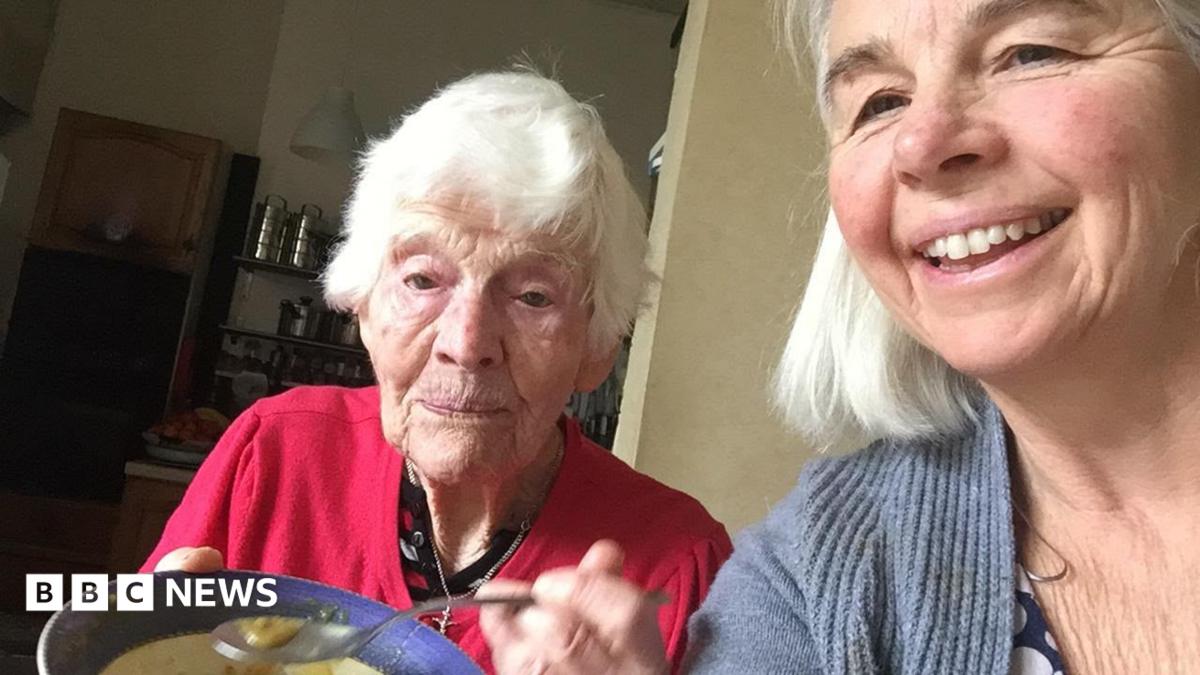
A Bristol woman has said she felt “phenomenal” relief after winning a High Court case that entitles her to payment for caring for her elderly mother.
Bern Rogers told the BBC that the dispute with her family has been “harrowing and deeply sad”. Her mother, Sheila, died in April 2020. The dispute later led to Rogers facing criminal charges.
Court rulings
In 2025, a High Court judge ruled that Rogers had entered into an informal contract with her mother. Under the contract, she was to be paid a reasonable sum for her care. The estate was also ordered to pay Rogers’ legal costs.
In August, another High Court judge set the amount. Rogers was awarded £127,500 for 850 days of care she provided.
Background to the case
Sheila, who had dementia, moved into Rogers’ home in Bristol in September 2017. She wanted her daughter to care for her rather than use paid home care or move into a residential home.
Rogers said she agreed with her mother that she would be paid for round-the-clock care. Her husband, Jon, described the work as a 24-hour job. He said the couple had put their lives on hold for more than two years.
After Sheila died, Rogers took £100,000 from her estate. She was reported to police for fraud and theft. The money was seized and she was charged. At a trial at Bristol Crown Court in 2022, a jury found her not guilty.
Estate to appeal
The executor of the estate is Rogers’ brother, Andrew Wills. In a statement, he said the estate had always been willing to pay his sister her genuine expenses and an additional sum for her efforts. He said the family was not aware of any contract beyond an agreed £50 per week for “keep”.
The ruling that Rogers is entitled to payment cannot be appealed. The estate does intend to appeal the second ruling, which set the amount owed.
Legal reaction
Legal experts told the BBC that the case does not automatically set a legal precedent. However, they said it is likely to lead to similar claims.
Emma Holland, a partner at Stewarts, said the case shows courts are willing to apply ordinary contract principles to family relationships. Beth Middleton, a senior associate at JMW, described it as “hugely significant”. Samara Dutton, a partner at Collyer Bristow, said the judgments were likely to be influential.
Rogers said she was “terribly proud” that the case could influence others. Her husband said families still need open discussions about what is fair.