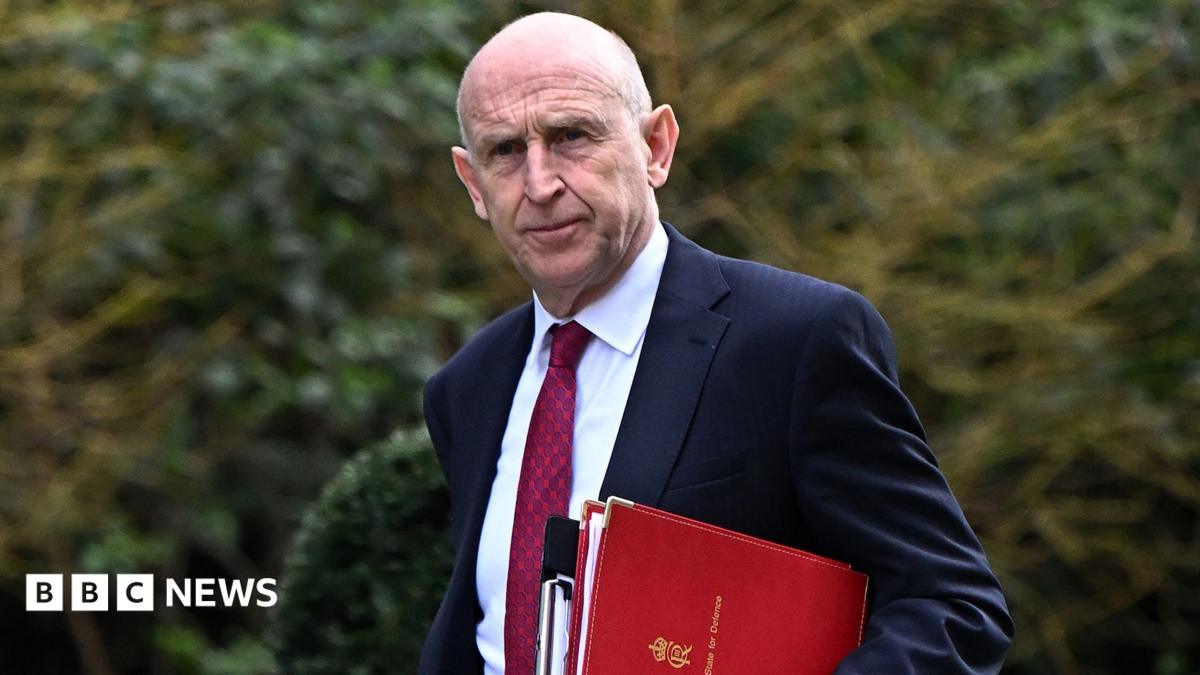
Pensioners on low incomes will be shielded from income tax by Chancellor John Healey in his first Budget on Wednesday.
The full, flat-rate state pension is expected to rise by 3.9% to £13,036.40 a year from April. That would take the payment above the £12,570 personal tax allowance, meaning it would be liable for income tax if no changes are made.
The government has already committed not to tax people who receive only an income from the state pension. Healey will explain that this pledge will be met through plans for a new tax allowance for low-income pensioners.
The chancellor's allies argue that his plans mean pensioners will not have to deal with an administrative burden just to pay a small amount of tax.
More specific details, including how many pensioners will be affected, have yet to be confirmed by the Treasury.
Other parties set out proposals
The Conservatives and Reform UK have unveiled their own alternative Budget proposals. The Conservatives want the chancellor to cut green taxes, red tape and benefits to bring down energy bills. Reform UK's proposals include deep cuts to the welfare bill.
Reform is recommending that the chancellor adopt 60 policies it says will create jobs. These include approving the Rosebank oil field, a project Healey is understood to back.
Liberal Democrat Treasury spokeswoman Daisy Cooper has called on the government to agree a new growth and defence partnership with the EU, including joining the single market. She said this would help ease the huge tax burden weighing on people.
The Green Party has urged Healey to use his first Budget to make the UK affordable. Its suggestions include funding energy bill support by ending a tax relief for data centres. Senior Green politicians, including leader Zack Polanski, MPs and peers, set out their proposals in a letter to Healey.
Budget preparations
The Budget is due to be printed this evening, and Healey's speech is likely to be fine-tuned until it is delivered on Wednesday lunchtime.
Treasury sources concede that it will not involve the scale of tax and spending announcements seen from Labour and Conservative governments in recent years.