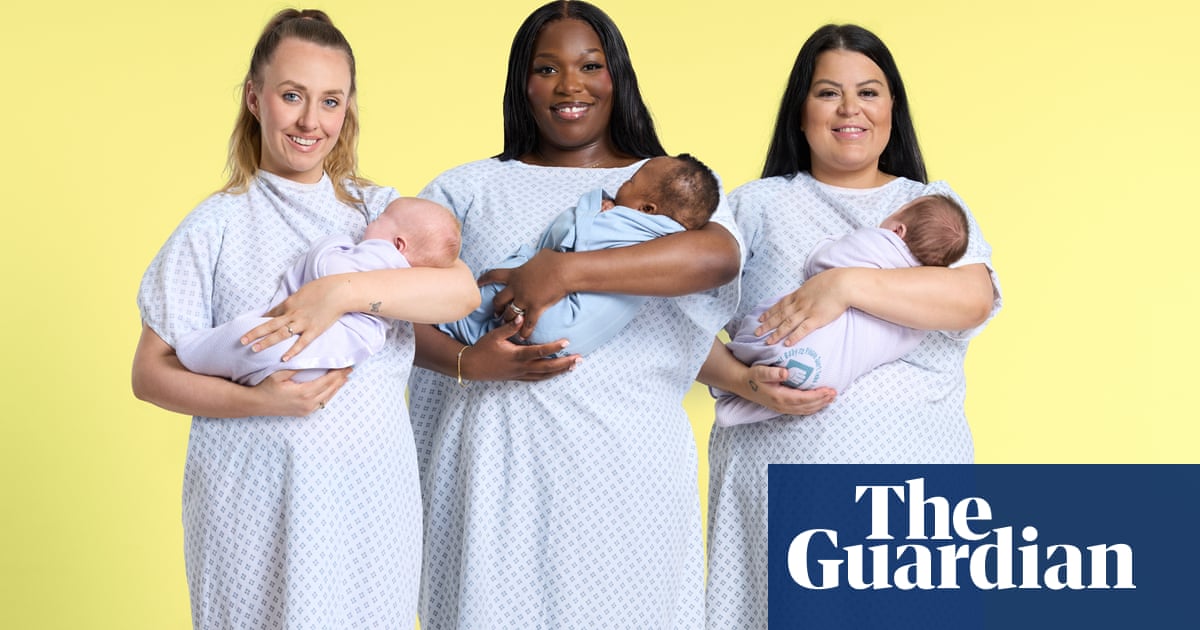
Channel 4’s reality series One Born Every Minute returns for its 12th run, with parents at the centre of the story and a broader range of experiences on screen.
The show first aired in 2010 and ended its Bafta-winning first run in 2018. It is now made by Dragonfly for a generation that shares much of its life on social media. Executive producer Will Rowson said parents today are more willing to talk openly about their experiences.
“Quite a bit is different about the way that people have children,” Rowson said. “People are so used to sharing. They expect to share, there is a willingness to share, and that is a generational thing.”
Parents at the Centre
The first episode, which airs on Sunday night, covers caesarean births, health anxiety and pregnancy loss. The show notes that caesarean births have doubled over the past decade.
The series focuses on parents, a shift from the previous 11 series, which centred on medical staff. Rowson said the programme would explore an “enormously diverse range of stories”. A tighter budget was also a factor in the changes.
Set in St Mary’s hospital in Manchester, the show takes a direct approach to what is filmed and will feature more complicated pregnancies and surgical procedures. “It’s an extraordinary thing to witness, you go ‘oh my goodness, I can’t believe I get to see that’,” Rowson said.
Personal Stories
Faye, an NHS clinical lead, is shown giving birth by caesarean section. She said the programme gave her a different way to experience the birth of her son. “I remember shaking, and feeling this overwhelming feeling of being cold and quite scared. And actually, when I’ve seen it back, I’m in really safe hands, and I got to see my little boy being born.”
She said she wanted viewers to see “what’s going on in the background, and how much hard work people do”. In the first episode, she describes multiple miscarriages and a surprise pregnancy at the age of 38.
Peace, who also appears on the show, wanted to show the experience of having twins, including concerns about their growth and the decision to have a C-section. She said she started watching the show as a child. Her partner, Kwamdeen, felt the episode would be “a great memento” for their children.
Casting director Nsofwa Nwannadi said participants were open about their experiences and wanted viewers to know that “they are not alone, it’s not stigmatised, it’s not your fault”. Her team engaged with minority ethnic, LGBT and disability communities to find a diverse range of participants.
Unlike typical reality TV, participants were not chosen for their personalities. “This is real life, we’re reflecting what’s actually there at the hospital,” Nwannadi said. The series also features fathers discussing fatherhood and modern masculinity, mothers reflecting on their identities, and birthing partners who have chosen to remain child-free.
“It’s been lovely to have been privy to a myriad of different stories, backgrounds and journeys. It’s not a one-size-fits-all situation, and that’s great, actually,” Nwannadi said.