Dozens of supermarkets in Belgium and Sweden have been hit by a suspected cyber-attack that affected their refrigerators and freezers.
Around 40 Delhaize supermarkets in Belgium and Luxembourg were affected, while several ICA and Coop shops in Sweden were also hit. Thirteen SuperValu shops in Ireland have been impacted as well.
Food Losses Reported
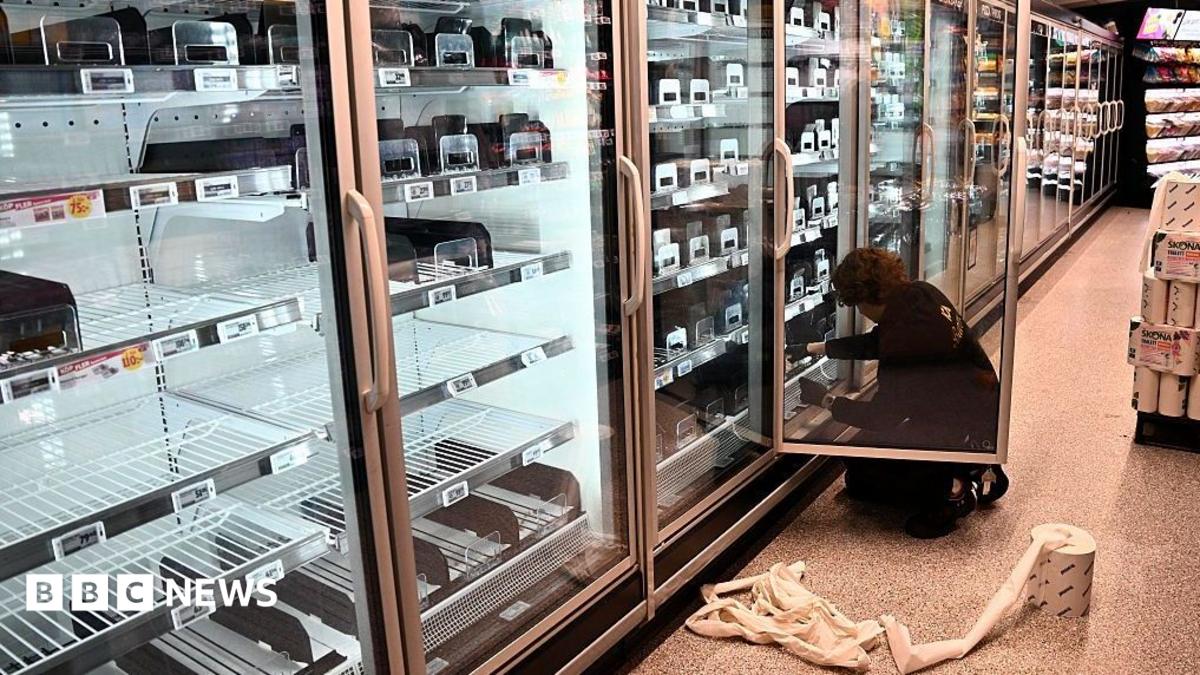
Millions of euros worth of food has had to be thrown away, according to local media reports. One ICA store in Sweden said the temperature of its freezers had been set to 50 C (122F).
A Delhaize branch in Hoeilaart, in Flemish Brabant province, told the Belgian newspaper Het Laatste Nieuws that it had lost €100,000 worth of produce. The manager said this estimate did not take into account further losses that would result from closing the shop.
Companies and Authorities Respond
Delhaize, one of Belgium’s biggest supermarket chains, told Belgian media that a “computer incident” had occurred overnight at 40 shops.
Carrefour, a French-owned supermarket chain, said the incident affected only 15 of its Belgian stores. It added that measures were taken immediately to ensure all shops remained open.
A spokesperson for ICA in Sweden confirmed that the incident had affected a “small number of ICA stores operating outside ICA’s central network.” “ICA is currently supporting the affected stores in managing the situation,” they said.
One IVA branch in Sjöbo, southern Sweden, wrote on social media: “Our refrigerators and freezers have been hacked overnight and they have set the temperature to 50 degrees.” The store was closed earlier but has since reopened to customers.
An employee at a branch in Odengatan, in the Swedish capital Stockholm, was pictured throwing away bags of spoiled food.
Seven of the 800 Coop stores in Sweden are also affected. The company told the BBC that the “situation is currently contained and under control.”
Investigation Continues
It is not clear who is behind the attack. It follows a similar incident last month that affected hundreds of French supermarkets.
Both Belgium’s and Sweden’s national cyber-security agencies said they are monitoring the incident.