The UK and the European Union have agreed a draft deal to remove post-Brexit checks on food and agriculture exports. The text will be discussed before a UK-EU summit later this month.
The BBC understands that the 200-page draft text of the so-called “SPS” (sanitary and phytosanitary) agreement has been sent to EU member states in Brussels. It will be considered at a meeting on Wednesday.
Draft texts for deals on emissions trading and a youth travel and work scheme have also been circulated. A 15-page draft joint statement for the UK and EU leaders has been shared alongside them.
What the food deal would change
The food agreement is the most significant part of the so-called Brexit reset agreed so far. It aims to remove checks and red tape that have affected exporters since the UK left the EU’s single market.
The deal would remove the need for £200 Export Health Certificates, £25 Phytosanitary certificates, inspector fees, organic certificates, some port fees, sampling fees and other checks on exports and imports to and from the EU.
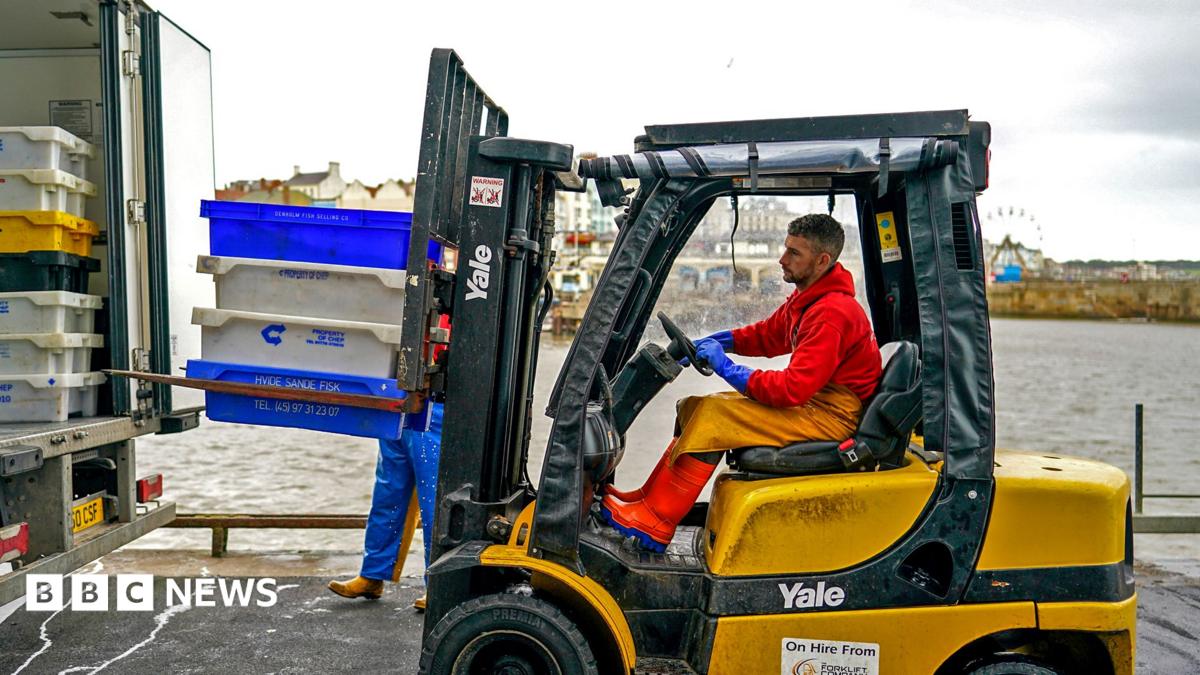
UK exports to the EU of fresh sausages, burgers, shellfish from domestic waters and seed potatoes would also be able to resume.
The government says the UK economy will eventually see £5.1bn in annual benefits. The deal would also allow pet passports for UK pets to be taken into the EU.
Under the agreement, the UK would commit to observing and adapting to existing EU rules on plant, animal and food trade standards. This process is known as “dynamic alignment”.
Political shift
The draft elements were under discussion when Sir Keir Starmer was prime minister. The summit would have already taken place had Labour not replaced its leader in July.
Since then, Andy Burnham’s approach to post-Brexit relations with the EU has shifted significantly. Sir Keir said the UK would not rejoin the bloc in his lifetime, while Mr Burnham has said he would like to see Britain back in the EU in his.
In an interview with ITV, Mr Burnham said “public opinion has changed nationally” since the 2016 Brexit vote. He added that he would “not run ahead of public opinion” on the issue. He also said he had not proposed a return to freedom of movement between the UK and EU.
“The public need to be the boss when it comes to whatever happens with Brexit,” he said.
Northern Ireland and other details
The food deal would have particular significance for Northern Ireland, where it would substantially reduce the impact of the post-Brexit Irish Sea border. Northern Ireland remains inside the EU’s single market for goods, so food products from elsewhere in the UK currently require paperwork and some physical checks at its ports. The deal would ultimately end those requirements.
The BBC understands the draft agreements will also include references to UK involvement in defence co-operation schemes, access to law enforcement databases and assurances over the EU’s “Made in Europe” plans.
Some details of the planned numbers for a Youth Experience Scheme are still to be finalised at political level in the coming days. A discount on full foreign student fees for EU students is likely to be pushed back to next year, alongside a plan to reconnect electricity markets.
Business reaction
Supermarkets and farmers’ representatives have backed the food trade plans. Some pro-Brexit campaigners have criticised the reapplication of EU rules. The trade deal signed under Boris Johnson’s government prioritised regulatory freedoms for the UK over avoiding new red tape, checks and delays.
William Bain, head of trade policy at the British Chamber of Commerce (BCC), told the BBC’s Today programme that businesses overall felt following common rules was a “price worth paying”. He said companies would benefit from “lower costs, reduced delays [and] increased market access”.
He said Export Health Certificates can add thousands of pounds in costs to each truck carrying goods, as well as delays at ports and borders. “So we get lower exports because of the delays and the massive increases in costs that have come into the supply chain,” he said.
The BCC has released new analysis of its members’ views, suggesting options for a closer relationship. The group says the current trade relationship is “failing to deliver”, leaving firms “struggling with a thicket of Brexit red tape” nearly six years after the UK’s exit from the bloc.